
Research & Understanding
At Teach Ruadh, our approach is informed by both lived experience and established research in childhood bereavement, trauma, and emotional wellbeing.

How Grief Impacts Children
Bereavement can have a huge impact on childrens’ emotional wellbeing, behaviour, learning and relationships. Children may not have the language to express what they are feeling, and families are often left navigating this without clear support.
This page brings together key insights to help understand how grief impacts children—and what supports make a meaningful difference.
How Children Experience Grief
Children do not experience grief in the same way as adults.
Their understanding of loss develops over time, and their responses can vary depending on age, personality, and environment.
Grief in children may show up as:
Changes in behaviour
Withdrawal or increased dependency
Difficulty concentrating
Regression (e.g. sleep, routines)
Physical symptoms (tiredness, headaches)
Children often move in and out of grief, rather than experiencing it in a continuous
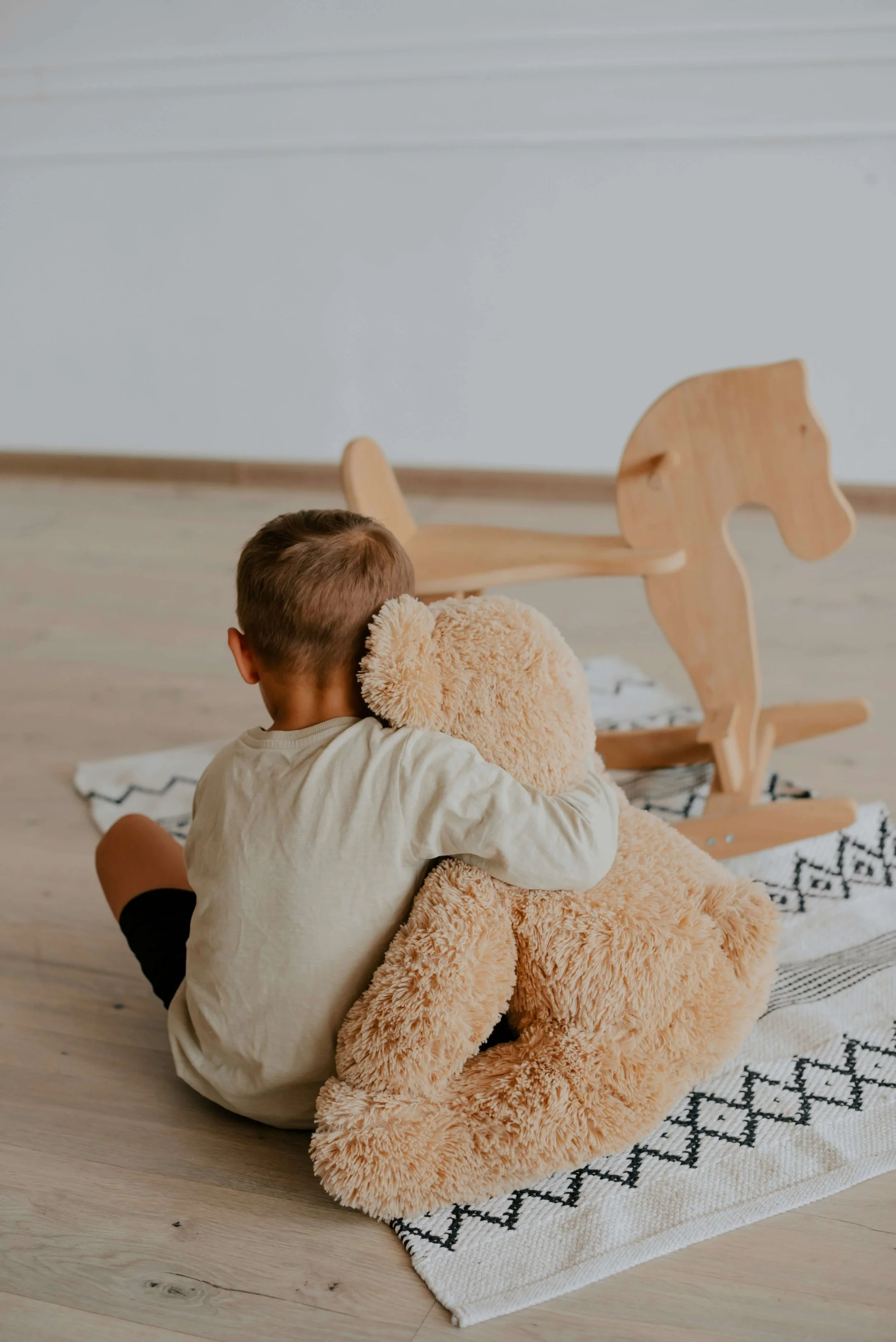
Impact on School & Daily Life
Bereavement can significantly affect a child’s ability to engage in school and daily routines.
This may include:
Difficulty focusing or completing work
Changes in behaviour or mood
Social withdrawal or conflict with peers
Increased anxiety or emotional sensitivity
Schools often want to support children—but may not always feel equipped to do so. We have attached educational resources, research, books and supports available for teachers on our resources page.
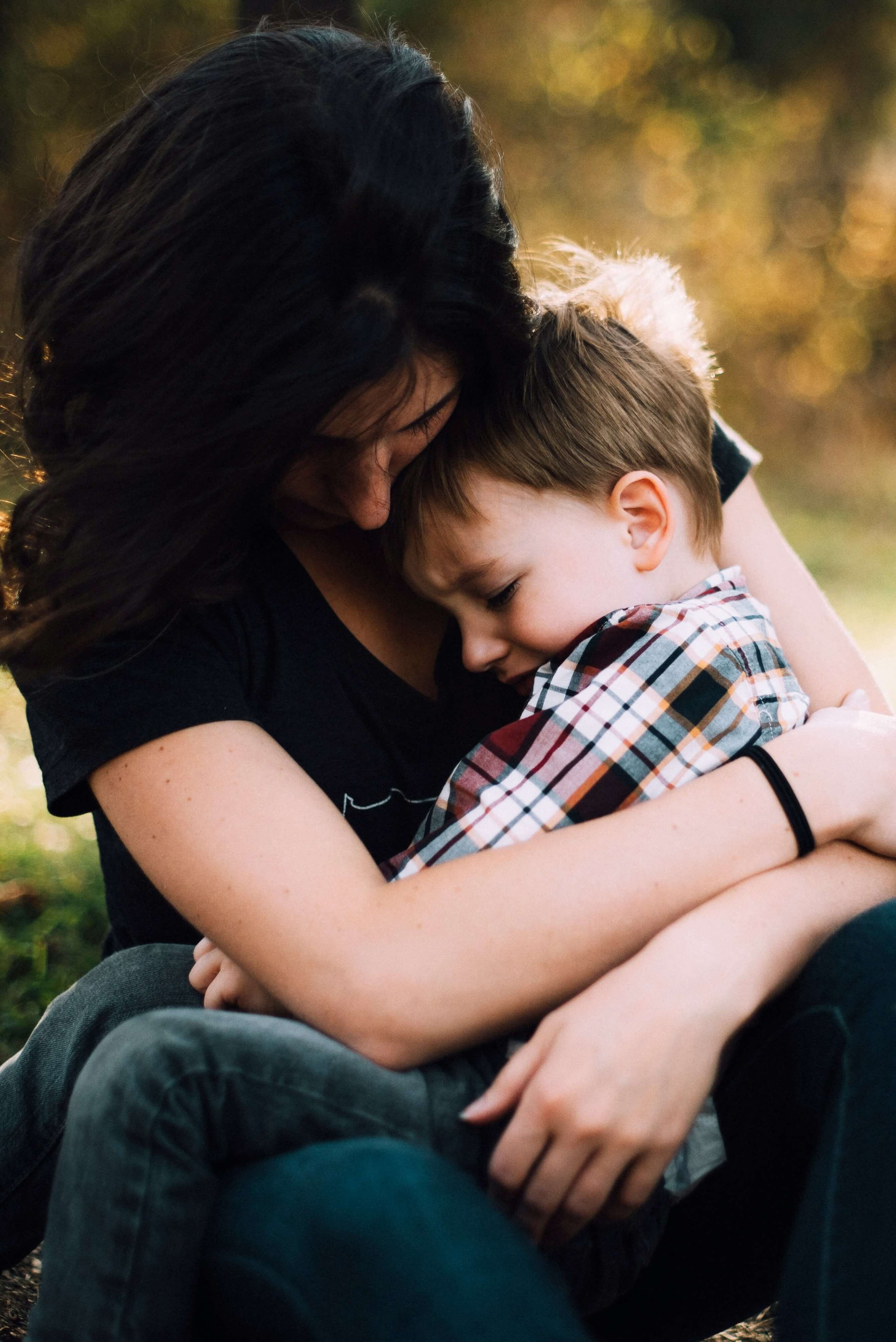
What Helps Children After Loss
Research consistently shows that children benefit from:
Safe, consistent relationships
Having trusted adults who listen and respond calmly – just one can make all the differenceHonest, age-appropriate communication
Clear language helps reduce confusion and fearOpportunities to express feelings
Through talking, play, art, or routineStability and routine
Predictability helps children feel secureSupport across environments
Home, school, and community working together.

The Importance of Early Support
Early support can significantly influence how a child processes grief over time.
Without support, grief may:
Become internalised
Affect long-term emotional wellbeing
Impact relationships and learning
With the right support, children can:
Develop resilience
Build emotional understanding
Feel safe expressing their experiences

Our Approach at Teach Ruadh
Teach Ruadh draws on both research and real-world experience to provide:
Practical guidance for families
Support for schools and educators
Resources grounded in evidence and lived understanding
Safe, supportive environments for children
We focus on long-term wellbeing, understanding and care.
References
Key areas informing our approach include:
Childhood bereavement studies
Trauma-informed practice
Attachment theory
Mindfulness-based approaches